Preparing for Dental Implant Surgery: A Patient-Friendly Step-by-Step Guide
- Shumway Dental Care
- Dec 10, 2025
- 5 min read

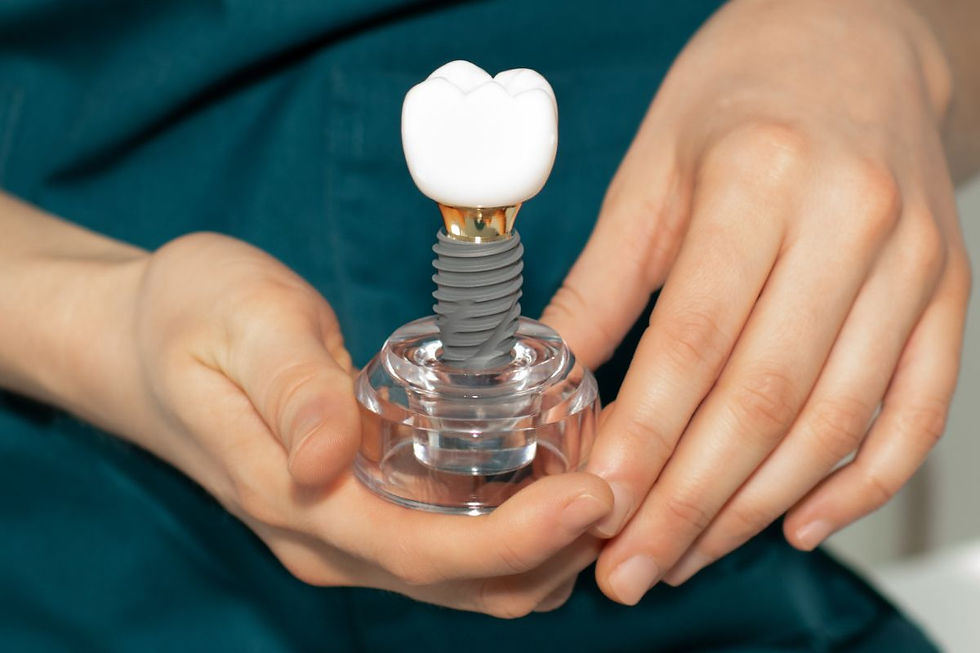
Getting ready for dental implant surgery can feel stressful when you are not sure what to expect. The good news is that the process is clear, safe and planned with care. If you are thinking about dental implants Chandler, it helps to know each step so you can feel calm and confident. A trusted dentist in Chandler will walk you through the entire plan, answer your questions and make sure you understand your role before, during and after treatment.
This guide breaks down the full process in simple steps. You will learn what happens before surgery, what takes place on the day of the procedure and how to take care of yourself during healing. With the right knowledge, the journey becomes much easier.
Why Preparation Matters
Dental implant treatment is not rushed. Your dentist checks your mouth, health and bone support to make sure the implant has a strong base. A little planning helps avoid delays, reduces stress and gives you the best chance at a smooth recovery. Being prepared also helps you take an active part in your own care.
Step 1: Complete Your Dental Exam
The first step is a full exam. Your dentist in Chandler will take X-rays, look at your gums and measure your bone. They check for signs of infection or decay. If other care is needed, such as tooth extraction or cleaning, it will be added to the treatment plan.
During this visit, you can talk about your goals, concerns and questions. This is your chance to understand why implants are the right option for you. Your dentist will also explain how many implants you need and where they will be placed.
Step 2: Review Your Medical History
Your dentist needs to know your full health history. Tell them about:
Current medical conditions
Past surgeries
Medications or supplements you take
Allergies
This helps keep you safe and prevents complications. Some health issues, like uncontrolled diabetes or smoking, may affect healing. Your dentist will guide you on steps to support better recovery.
Step 3: Create a Personalized Treatment Plan
Once your mouth and health have been evaluated, you receive a personalized plan. This plan includes:
How many implants are needed
Type of restoration (crown, bridge or denture)
Time needed for each stage
Estimated healing periods
At this stage, ask any questions you may have. Feeling informed helps you feel ready.
Step 4: Prepare Your Home Before Surgery
A smooth recovery starts with a well-prepared home. Before surgery, it helps to:
Stock up on soft foods
Set up a clean resting area
Buy ice packs
Pick up prescribed medicines early
Arrange a ride to and from the office
These simple steps help reduce stress after surgery when rest is most important.
Step 5: Follow Pre-Surgery Instructions
Your dentist will give clear directions to follow the day before and the day of surgery. These may include:
No eating or drinking for a set time if sedation is planned
Taking prescribed antibiotics
Avoiding alcohol and smoking
Wearing loose, comfortable clothing
Always follow these instructions exactly. They help ensure your surgery is safe and successful.
Step 6: What Happens on Surgery Day
On the day of your implant procedure, the team checks your comfort first. You may receive local anesthesia or sedation based on your plan.
The dentist creates a small opening in the gum and places the implant gently into the bone. Most patients say they feel pressure but not pain. Once the implant is in place, the area is closed so healing can begin.
The surgery is usually quicker than patients expect. Many say the stress before the appointment was worse than the actual procedure.
Step 7: Start of the Healing Phase
After the implant is placed, the body begins a natural healing process. The bone grows around the implant to secure it. This step is called osseointegration. It can take a few months, based on your health and bone strength.
During this phase, take good care of your mouth. Your dentist may place a temporary tooth so you can smile and speak without worry during healing.
Step 8: Post-Surgery Care at Home
Most people feel mild swelling or soreness for a few days. This is normal.
Stick to these tips:
Use ice packs in short intervals
Eat soft foods like yogurt, soup or mashed potatoes
Avoid chewing on the surgery side
Keep the area clean with gentle rinsing
Take medicines as directed
If you notice long-lasting pain, heavy bleeding or fever, contact your dentist at once.
If you need clear guidance and a safe treatment plan, contact Shumway Dental Care Chandler for expert support. The right care makes the implant journey smoother and more comfortable.
Step 9: Placing the Abutment
Once healing is complete, a small connector post called an abutment is placed on the implant. This step is quick and usually done under local anesthesia. The abutment will hold your new tooth.
Your gums may need a short time to heal after this step, but most people return to normal activities the same day.
Step 10: Adding the Final Tooth
The final step is placing your custom crown. It is shaped and colored to match your natural teeth. Once the crown is placed, your smile is complete.
At this point, your implant feels strong, secure and natural. You can eat, talk and smile with confidence.
How to Care for Your Implant Long Term
Dental implants are strong and long-lasting. With good care, many last a lifetime.
Follow these simple tips:
Brush every day
Floss around the implant
Visit your dentist for cleanings
Avoid chewing ice or hard candy
Protect your teeth if you grind at night
Your dentist will check the implant at each visit to be sure it stays healthy.
FAQs
1. How long does dental implant healing take?
Healing usually takes three to six months, depending on your bone health.
2. Will I feel pain during surgery?
Most patients feel pressure but not pain. Anesthesia keeps you comfortable.
3. Can anyone get dental implants?
Most adults can, but your dentist will check bone strength and gum health first.
4. What foods can I eat after surgery?
Soft foods like mashed potatoes, soups, pasta and smoothies are best during early healing.
5. Are dental implants safe?
Yes, implants are trusted, safe and widely used in modern dentistry.
6. How long do dental implants last?
With proper care, many implants last decades or even a lifetime.
7. How many visits do implants require?
Most patients need several visits from start to finish, spread out over a few months.
Conclusion
Preparing for dental implant surgery does not have to feel overwhelming. With the right steps and support, the process becomes simple and clear. From the first exam to the final crown, every part of treatment is planned with your comfort in mind. If you are thinking about dental implants Chandler, take time to learn each stage and ask your dentist questions. Understanding the process helps you feel calm and ready for your new smile.


Comments